Author: admin

  • Navigating Divorce While Homeschooling: Finding Stability and Growth

    Effects of Divorce on Children
    Image by Gerd Altmann from Pixabay

    Divorce is a challenging process that can affect every aspect of life, including the education of your children. When you’re homeschooling, these changes can feel even more profound. However, it’s crucial to remember that it’s possible to navigate through these difficult times while maintaining stability and promoting growth for you and your child.

    The Challenge of Divorce and Homeschooling

    Divorce and homeschooling present their own unique challenges. Combine them, and you have a situation that demands careful navigation and a lot of patience. Each family will experience this journey differently, but there are strategies and support structures that can help make the process smoother and less stressful.

    Understanding the Impacts

    Effects of Divorce on Children

    Research shows that divorce can significantly impact children, affecting their emotional, physical, and academic wellbeing. This impact can be exacerbated in a homeschooling environment where children might have fewer social outlets to express and cope with their emotions. It’s crucial for parents to understand these potential impacts and create a supportive environment to mitigate these effects.

    Effects on Homeschooling Routine

    Maintaining consistency in a homeschooling routine amidst the upheaval of a divorce can be a challenge. The stability that a routine provides is even more essential during this time of change, as it can help children cope with the changes occurring in their family dynamic.

    Strategies for Stability

    Communication is Key

    Honest, open communication with your children about what’s happening can help them feel more secure and understood. Be open to their questions, fears, and concerns, and assure them that both parents will continue to love and support them, despite the changes.

    Maintain Routine and Normalcy

    While it might be challenging, try to maintain as much of your homeschooling routine as possible. A sense of normalcy can provide comfort and reassurance to your children during this uncertain time.

    Seek Professional Help

    If you or your children are struggling to cope with the changes, don’t hesitate to seek professional help. Therapists, counselors, and support groups can provide valuable tools and strategies to help you and your family navigate through this difficult time.

    Embracing Growth and Opportunities

    Building Resilience

    Despite the challenges of divorce, it can also be a time of immense growth and resilience-building. Teaching your children how to navigate through difficult times can help them develop coping strategies that they’ll use for the rest of their lives.

    Turning Challenges into Opportunities

    As a homeschooling parent, use this situation as a teachable moment about adversity and resilience. Integrate life skills and lessons about change and resilience into your homeschooling curriculum to help your children better understand and cope with the situation.

    Conclusion

    Navigating divorce while homeschooling can be a daunting task, but with patience, open communication, and the right support, it’s possible to maintain stability and encourage growth. Remember, it’s okay to seek help and take the time you need to adjust to your new normal.

    Frequently Asked Questions

    1. How can I support my child emotionally during our divorce?

    You can support your child emotionally during a divorce by maintaining open and honest communication about the changes happening. Allow them to express their feelings and concerns freely, and reassure them that their emotions are valid and normal. It’s also crucial to reassure them that both parents will continue to love and support them. If needed, seek professional help such as therapists or counselors who specialize in supporting children through divorce.

    1. How can I maintain a homeschooling routine amidst the upheaval?

    Keeping a routine amidst the upheaval of a divorce can be challenging, but it’s crucial for your child’s sense of stability. Stick to your regular homeschooling schedule as much as possible. You might need to adjust the timings slightly, but try to keep the core elements of your homeschooling routine intact. Also, involve your child in these adjustments so they feel a part of the process and understand the changes.

    1. How can I help my child understand and cope with the changes?

    Honest communication is key in helping your child understand and cope with the changes. Discuss what’s happening in terms they can understand, and be open to their questions and fears. Integrate lessons about change and resilience into your homeschooling curriculum. This can provide them with the tools they need to navigate these changes successfully. Again, seeking professional help can be extremely beneficial in this situation.

    1. What resources are available for parents navigating divorce while homeschooling?

    Several resources can assist parents navigating divorce while homeschooling. These include online support groups, divorce counselors, educational consultants specializing in homeschooling, and relevant books and online resources. In addition, local community centers and homeschooling associations often offer resources and support for families dealing with significant life changes.

    1. How can I integrate lessons about change and resilience into our homeschool curriculum?

    Incorporating lessons about change and resilience can be done through discussions about characters in books who undergo significant changes, history lessons about people or societies that have demonstrated resilience, or even science lessons about how nature adapts to change. Also, consider resources specifically designed to teach children about these topics, such as workbooks or online programs. Teaching these lessons will not only help your child cope with the current situation but will also equip them with skills that will be invaluable throughout their life.
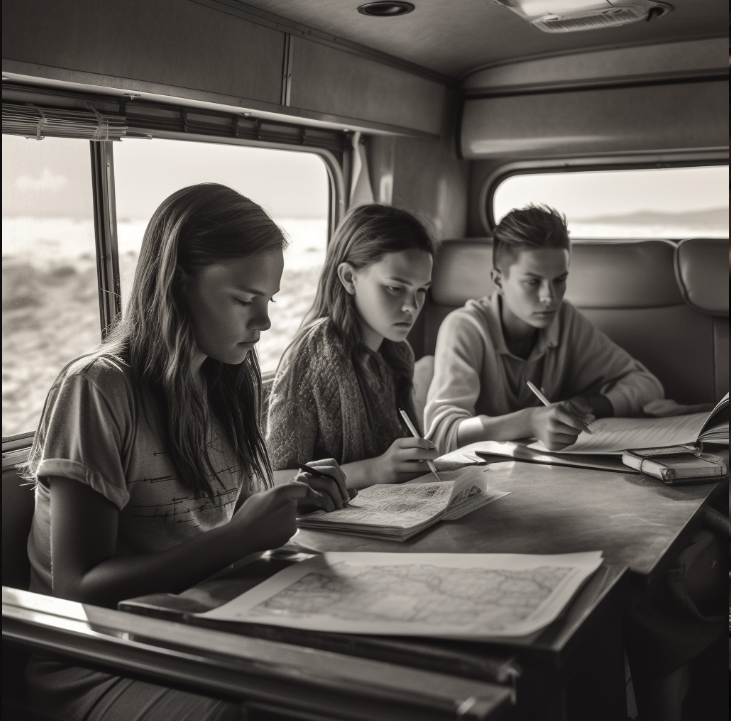
  • Harnessing the Freedom of RV Living in Your Homeschooling Adventure

    Harnessing the Freedom of RV Living in Your Homeschooling Adventure

    Harnessing the Freedom of RV Living in Your Homeschooling Adventure

    As you consider the path of homeschooling for your child, envision an environment that is dynamic, engaging, and enriched with real-world experiences. Have you ever thought about how an RV lifestyle could integrate seamlessly into your homeschooling adventures?

    In this article, we will explore the benefits of merging the freedom of RV living with homeschooling. This way of life, often referred to as “roadschooling”, opens the doors to a whole new world of experiential learning. It allows parents and children to take their education on the road, transforming every travel destination into a classroom.

    RV Homeschooling

    Benefits of Roadschooling

    • Hands-on learning: Roadschooling provides opportunities for hands-on learning and makes education a part of everyday life. Children can learn about different cultures, histories, and environments first-hand.
    • Independence: Roadschooling can help children develop independence and self-reliance. They will need to learn how to manage their time, solve problems, and make decisions on their own.
    • Adaptability: Roadschooling can help children develop adaptability and resilience. They will be exposed to new people, places, and experiences on a regular basis, which will help them learn to adapt to change.
    • Curiosity: Roadschooling can help children develop a lifelong love of learning. They will be constantly exposed to new information and experiences, which will help them stay curious and engaged in the world around them.

    How to Prepare for Roadschooling

    If you are considering a roadschooling adventure, there are a few things you need to do to prepare.

    1. Research your state’s homeschooling laws: Each state has its own homeschooling laws, so it is important to research your state’s laws before you begin roadschooling.
    2. Choose an appropriate curriculum: There are many different homeschooling curriculums available, so it is important to choose one that is appropriate for your child’s needs and interests.
    3. Create a learning plan: Once you have chosen a curriculum, you need to create a learning plan. This plan should outline your child’s educational goals and how you plan to achieve them.
    4. Gather supplies: You will need to gather supplies for your roadschooling adventure, such as books, laptops, and other educational materials.
    5. Get organized: Roadschooling can be a lot of work, so it is important to get organized before you hit the road. This includes creating a system for keeping track of your child’s schoolwork and supplies.

    Making the Most of Your Roadschooling Adventure

    There are many ways to make the most of your roadschooling adventure. Here are a few tips:

    • Integrate your travels into your curriculum: Use your travels as an opportunity to teach your child about different cultures, histories, and environments.
    • Create a balance between schoolwork, travel, and play: It is important to create a balance between schoolwork, travel, and play. This will help your child stay engaged and avoid burnout.
    • Be flexible: Things don’t always go according to plan when you are roadschooling. Be prepared to be flexible and adaptable.
    • Enjoy the journey: Roadschooling is a great way to learn and grow as a family. Enjoy the journey and make memories that will last a lifetime.

    Conclusion

    Roadschooling is a unique and rewarding experience that can provide your child with a lifelong love of learning. If you are considering a roadschooling adventure, I encourage you to do your research and prepare carefully. With careful planning and execution, you can create a roadschooling experience that is both educational and enriching.

    Resources

    1. https://www.hslda.org/ HSLDA is a reputable organization that provides legal support, resources, and information for homeschooling families. They offer guidance on homeschooling laws, curriculum selection, and other relevant topics.
    2. https://www.nheri.org/ NHERI is a recognized research institute dedicated to studying and providing data on homeschooling. Their research publications and reports can add credibility to the content.
    3. https://www.rvia.org/ RVIA is the national trade association representing the RV industry. Their website can provide authoritative information on RV living, safety standards, and regulations.
    4. https://www.time4learning.com/ Time4Learning is an online homeschooling curriculum provider that offers comprehensive and accredited programs. They can provide insights into choosing an appropriate curriculum for roadschooling.
    5. https://boondockorbust.com/ Boondock or Bust is a blog dedicated to RV living and boondocking, which refers to camping without hookups in remote locations. The blog covers various aspects of RV living and can provide practical tips and experiences related to roadschooling.
  • Introduction to Outdoor Education in Homeschooling

    Outdoor Education
    Image by via flickr

    The Evolution of Homeschooling and Outdoor Education

    Homeschooling has come a long way from its traditional origins. Over the years, outdoor education has become an integral part of homeschooling, providing students with immersive, hands-on learning experiences. This shift has been facilitated by the incorporation of technology, which has allowed homeschooling to become more flexible and accessible.

    Key Components of Effective Homeschooling Outdoor Education Programs

    A successful homeschooling outdoor education program must be engaging, relevant, and challenging. This involves creating a curriculum that combines traditional academic subjects with outdoor activities, teaching students the necessary skills to navigate and explore the natural world.

    The Role of Technology in Homeschooling Outdoor Education

    Technology has played a vital role in the growth of homeschooling outdoor education, providing new tools and resources to enhance learning experiences. One such innovation is the use of utility terrain vehicles (UTVs), which have opened up new possibilities for transformative outdoor learning experiences.


    Image by via flickr

    What are UTVs (Utility Terrain Vehicles)?

    UTVs are off-road vehicles designed for navigating a variety of terrains and carrying passengers and equipment. They typically have a side-by-side seating arrangement, roll-over protection, and powerful engines that can handle challenging terrain.

    Common UTV Features and Capabilities

    Some common features of UTVs include four-wheel drive, independent suspension, and ample storage space. They are also designed to be versatile, allowing for customization and adaptation to specific educational needs.

    Safety Considerations for UTV Use

    While UTVs can provide exciting opportunities for outdoor education, safety must always be a top priority. Proper training, equipment maintenance, and adherence to safety guidelines are essential to ensure a safe and enjoyable experience for all participants.

    Benefits of Integrating UTVs into Homeschooling Outdoor Education

    UTVs can help make outdoor education more accessible to students with varying abilities, as they can accommodate wheelchairs and other mobility aids. This allows for greater inclusivity in homeschooling outdoor education programs.

    Expanding Learning Environments and Opportunities

    By providing access to remote and challenging locations, UTVs expand the range of learning environments available to homeschooling students. This enables educators to create more diverse and immersive educational experiences.

    Fostering Teamwork and Leadership Skills

    UTV-based activities can encourage the development of teamwork and leadership skills, as students must work together to navigate and overcome obstacles. These skills are essential for success in both academic and professional settings.

    Encouraging Responsible Off-Road Recreation

    Integrating UTVs into homeschooling outdoor education programs can also teach students about responsible off-road recreation, promoting an appreciation for the natural environment and its preservation.

    Practical Applications of UTVs in Homeschooling Outdoor Education

    UTV activities can help students develop essential navigation and mapping skills, teaching them how to read topographic maps and use GPS technology.

    Wilderness First Aid and Emergency Response

    Incorporating UTVs into homeschooling outdoor education programs can also provide opportunities for students to learn wilderness first aid and emergency response techniques, which are valuable life skills.

    Environmental Conservation and Stewardship

    As students explore the outdoors using UTVs, they can gain a deeper understanding of environmental conservation and stewardship. This includes learning about native flora and fauna, responsible trail use, and the impact of human activities on the environment.

    UTV Maintenance and Repair

    Teaching students about UTV maintenance and repair can help them develop practical skills and a sense of responsibility for the equipment they use. This knowledge can also be applied to other areas of life, such as automobile maintenance.

    Developing a UTV-Integrated Homeschooling Outdoor Education Curriculum

    To create a successful UTV-integrated homeschooling outdoor education curriculum, educators must first identify the specific learning objectives and outcomes they wish to achieve. This involves determining how UTV activities can complement and enhance traditional homeschooling subjects and outdoor education activities.

    Selecting Appropriate UTV Activities

    Once learning objectives and outcomes have been established, educators can choose appropriate UTV activities to incorporate into their curriculum. These activities should be engaging, relevant, and designed to promote the development of essential skills.

    Balancing UTV Use with Traditional Homeschooling Outdoor Education Methods

    It is crucial to strike a balance between UTV use and traditional homeschooling outdoor education methods to ensure a well-rounded learning experience. This may involve alternating between UTV-based activities and more conventional outdoor education practices, such as hiking or nature study.

    Training and Certifications for Homeschooling UTV Instructors

    UTV instructors must possess a comprehensive understanding of UTV operation, safety, and maintenance, as well as a strong background in outdoor education and teaching methodologies.

    Leading UTV Training Programs and Certifications

    There are several training programs and certifications available for UTV instructors, including those offered by industry organizations and accredited institutions. These programs help ensure instructors are well-prepared to deliver safe and effective UTV-integrated homeschooling outdoor education experiences.

    Implementing a UTV Instructor Mentorship Program

    A mentorship program can provide additional support for homeschooling UTV instructors, allowing them to learn from experienced mentors and continually improve their teaching skills and knowledge.

    Funding and Equipping a UTV-Integrated Homeschooling Outdoor Education Program

    When planning a UTV-integrated homeschooling outdoor education program, it is essential to budget for the purchase, maintenance, and insurance of UTVs, as well as any necessary safety equipment and accessories.

    Exploring Grant Opportunities and Sponsorships

    Grants and sponsorships can provide valuable financial support for homeschooling UTV programs. Educators should research available funding opportunities and apply for those that align with their program goals and objectives.

    Collaborating with Local UTV Dealers and Rental Companies

    Forming partnerships with local UTV dealers and rental companies can help homeschooling outdoor education programs access equipment and resources at a reduced cost, while also fostering relationships within the community.

    Assessing the Impact of UTV-Integrated Homeschooling Outdoor Education

    Regular assessment of student outcomes and skill development is crucial for measuring the success of a UTV-integrated homeschooling outdoor education program. This can involve collecting data on student progress, as well as gathering feedback from students and instructors.

    Measuring Program Success and Sustainability

    Evaluating the overall success and sustainability of a UTV-integrated homeschooling outdoor education program involves examining various factors, such as student engagement, learning outcomes, and program growth. Regular review and adaptation of the curriculum, activities, and teaching methods can help ensure the program remains relevant and effective.

    Gathering Feedback and Continually Improving

    Soliciting feedback from students, instructors, and parents is essential for identifying areas of improvement and making necessary adjustments. This ongoing process of reflection and refinement helps maintain the program’s quality and fosters a culture of continuous improvement.

    Case Studies of Successful UTV-Integrated Homeschooling Outdoor Education Programs

    Several pioneering homeschooling outdoor education programs have successfully integrated UTVs into their curricula. These programs demonstrate the versatility of UTVs and their potential for enhancing learning experiences in diverse settings.

    Lessons Learned from Pioneering Programs

    Examining the experiences of successful UTV-integrated homeschooling outdoor education programs can provide valuable insights and lessons for others interested in implementing similar initiatives. This includes identifying best practices, addressing challenges, and learning from the successes of others.

    Strategies for Overcoming Challenges and Obstacles

    Developing effective strategies for overcoming challenges and obstacles is crucial for the success of any UTV-integrated homeschooling outdoor education program. This may involve refining curriculum and instructional methods, enhancing instructor training and support, and building strong community partnerships.

    Summary: UTVs as a Catalyst for Transformative Homeschooling Outdoor Education

    UTVs have the potential to revolutionize homeschooling outdoor education, providing students with unique and transformative learning experiences. By integrating UTVs into the curriculum, educators can foster the development of essential skills, expand learning opportunities, and promote a greater appreciation for the natural world.

    Frequently Asked Questions

    Are UTVs suitable for all ages and abilities?

    UTVs can be adapted to accommodate participants of various ages and abilities, making them a versatile tool for homeschooling outdoor education programs. However, it is essential to ensure proper supervision, training, and safety measures are in place for all participants.

    How can homeschooling families ensure the safety of UTV users?

    Safety is paramount when using UTVs for homeschooling outdoor education. This includes proper training for instructors and students, regular equipment maintenance, and adherence to safety guidelines and best practices.

    What are the environmental impacts of UTV use in homeschooling outdoor education programs?

    Responsible UTV use can minimize the environmental impact of these vehicles. This involves teaching students about trail etiquette, minimizing disturbance to wildlife and habitats, and promoting responsible off-road recreation.

    How can UTVs be integrated into existing homeschooling outdoor education programs without compromising traditional learning methods?

    Striking a balance between UTV use and traditional homeschooling outdoor education methods is crucial for maintaining a well-rounded learning experience. This may involve alternating between UTV-based activities and more conventional outdoor education practices, ensuring that students receive a diverse and comprehensive education.

  • Get Your Kids Involved in Backyard Rabbit Sheds


    Image by Matt’s Homes via flickr

    Tips and Ideas for Homeschooling Families

    Raising rabbits in backyard sheds is a fun and educational activity that can be enjoyed by homeschooling families. Getting kids involved in the process of building and maintaining a rabbit shed can provide them with a unique opportunity to learn about animal care, sustainability, and gardening while developing important life skills such as responsibility, teamwork, and problem-solving. In this article, we will discuss the benefits of involving children in backyard rabbit sheds, how to choose the right rabbit shed, preparing for the arrival of the rabbits, involving children in rabbit care, incorporating educational elements, and safety considerations.

    Girl with Rabbit
    AdinaVoicu, CC0, via Wikimedia Commons

    Importance of Involving Children in the Process

    Raising rabbits in backyard sheds can provide homeschooling children with numerous benefits, including educational opportunities to learn about animal care, sustainability, and gardening. Children can also learn about important life skills such as responsibility, teamwork, and problem-solving by caring for rabbits. Moreover, it can be an enjoyable activity for the whole family to spend time together and connect with nature.

    Benefits of Involving Children in Backyard Rabbit Sheds

    Educational Opportunities for Homeschooled Children to Learn About Animal Care, Sustainability, and Gardening

    Raising rabbits can be a great way to teach homeschooling children about animal care, sustainability, and gardening. Children can learn how to provide proper nutrition, housing, and healthcare to their rabbits, as well as how to maintain a healthy and safe environment for them. They can also learn about the importance of composting and using rabbit manure as fertilizer for their garden.

    Explanation of How Homeschooling Children Can Learn Life Skills Such as Responsibility, Teamwork, and Problem-Solving

    Caring for rabbits can also help homeschooling children develop important life skills such as responsibility, teamwork, and problem-solving. They can learn how to work together as a team to provide for the needs of their rabbits and how to solve problems that may arise. Additionally, they can learn how to be responsible for the well-being of their pets, which can translate into other areas of their life.

    Choosing the Right Rabbit Shed

    When choosing a rabbit shed suitable for homeschooling children, it is important to consider several factors, including safety features and size-appropriateness.

    Safety Features to Look for When Selecting a Rabbit Shed

    It is important to look for a rabbit shed that is sturdy and secure. The door should have a latch that is difficult for rabbits to open and the roof should be made of a material that can withstand heavy rain and wind. Additionally, the flooring should be easy to clean and provide good ventilation to ensure that the rabbits stay healthy.

    How to Select a Size-Appropriate Rabbit Shed

    The size of the rabbit shed should be appropriate for the number and size of the rabbits. A general rule of thumb is to provide at least 10 square feet of space per rabbit. Moreover, it should be big enough for children to move around inside comfortably while caring for the rabbits.

    Preparing for the Arrival of the Rabbits

    Before bringing rabbits home, several preparation steps are required. It is important to research the different types of rabbits and their care requirements to ensure that the rabbits are properly cared for. Additionally, the rabbit shed should be set up and safety-checked to ensure that it is safe for the rabbits to live in.

    Involving Homeschooling Children in Rabbit Care

    There are several tasks that homeschooling children can do to help care for rabbits, including feeding, watering, cleaning, and grooming. Age-appropriate tasks should be assigned to different age groups. Younger children can help with simple tasks such as filling the water and food bowls, while older children can help with more complex tasks such as cleaning the rabbit shed. It is important to supervise children while they are working with the rabbits to ensure that they are safe and the rabbits are being properly cared for.

    Incorporating Educational Elements

    Raising rabbits in backyard sheds can provide many opportunities to incorporate educational elements into homeschooling curriculum. For example, homeschooling children can learn about animal care, sustainability, and gardening while raising rabbits. They can learn how to provide proper nutrition, housing, and healthcare to their rabbits, as well as how to maintain a healthy and safe environment for them. They can also learn about the importance of composting and using rabbit manure as fertilizer for their garden.

    Suggestions for Science and Math Activities that Can be Integrated into Rabbit Care

    Raising rabbits can provide numerous opportunities to integrate science and math activities into homeschooling curriculum. For example, homeschooling children can learn about the anatomy and physiology of rabbits and how to calculate the amount of food and water that rabbits need based on their body weight. They can also learn about the life cycle of rabbits and how to measure and record their growth.

    Safety Considerations

    Raising rabbits in backyard sheds requires careful consideration of potential hazards and safety considerations. It is important to teach homeschooling children about safe practices around rabbits and to take precautions to prevent injury or illness.

    Explanation of Potential Hazards and Safety Considerations When Building and Maintaining a Rabbit Shed

    Potential hazards when building and maintaining a rabbit shed include sharp objects, toxic chemicals, and electric wires. Homeschooling children should be supervised and taught how to safely use tools and handle chemicals. Additionally, electrical wires should be properly insulated to prevent electric shock.

    Explanation of How to Teach Homeschooling Children about Safe Practices Around Rabbits

    It is important to teach homeschooling children about safe practices around rabbits to prevent injury or illness. For example, homeschooling children should be taught to wash their hands before and after handling rabbits and to avoid touching their face or mouth while handling them. They should also be taught to approach rabbits slowly and gently to avoid startling them.

    Conclusion

    Involving homeschooling children in backyard rabbit sheds can provide them with a unique and educational experience. By choosing the right rabbit shed, preparing for the arrival of the rabbits, involving children in rabbit care, incorporating educational elements, and considering safety considerations, homeschooling children can learn about animal care, sustainability, and gardening while developing important life skills such as responsibility, teamwork, and problem-solving.

  • Hello world!

    Welcome to WordPress. This is your first post. Edit or delete it, then start blogging!

  • Hello world!

    Welcome to WordPress. This is your first post. Edit or delete it, then start blogging!